

The allure of gambling: Understanding the initial attraction
The initial draw to casino gambling often stems from a potent mix of thrill and social interaction. Many individuals are captivated by the vibrant atmosphere of casinos filled with colorful lights, energetic music, and the buzz of excitement. This sensory overload creates an inviting environment where the chance of winning big becomes tantalizing. The social aspect cannot be overlooked; casinos often serve as social hubs where people gather to enjoy not only the games but also the camaraderie that comes from shared experiences, such as those found at a neosurf casino , enhancing the overall experience.
Furthermore, the promise of financial gain acts as a significant motivator. Many gamblers enter casinos with dreams of striking it rich, which can be bolstered by stories of huge wins featured in media. This hope can override any rational thought about the odds, drawing people to believe they could be the next big winner. This psychological phenomenon—often referred to as “gamblers’ fallacy”—is the assumption that past outcomes influence future results, which fuels continued engagement despite the inherent risks. This belief can be particularly intoxicating, as it encourages players to take bigger risks in hopes of achieving a life-changing win.
Additionally, the escape from daily worries that gambling provides is another key factor. For many, a night at the casino offers a temporary reprieve from the stresses of life, allowing them to immerse themselves in a world where the focus is solely on entertainment. The distraction of gambling can lead to a euphoric state, further entwining participants in its grasp and reinforcing their desire to return. This blend of excitement, social connection, and emotional escape creates a powerful cocktail that calls to potential gamblers. The allure of the casino can become a sanctuary for those seeking to forget their problems, even if just for a night.
The psychology of risk and reward
The interplay of risk and reward is central to the psychology of gambling. Individuals are often drawn to the thrill of uncertainty and the potential for a substantial payday, which triggers the brain’s reward systems. When a player wins, it releases dopamine—a neurotransmitter associated with pleasure and satisfaction—leading to a feeling of euphoria that can be both addictive and reinforcing. This rush encourages individuals to continue gambling, whether they are winning or losing, as they chase that high. The cycle of reward and risk feeds into itself, creating a compelling reason to return to the gambling table or slot machine.
Moreover, cognitive biases play a vital role in how gamblers perceive risk. Many players tend to underestimate the odds of losing while overestimating the chances of winning. This skewed perception can result in risky betting behaviors, as the allure of a significant payout overpowers the reality of the odds. Players often find themselves in a cycle of continued play, where losing becomes rationalized as simply “bad luck,” leading to further engagement in hopes of recouping losses. This cognitive dissonance can prevent players from recognizing their gambling habits as problematic, keeping them trapped in a cycle that feels difficult to escape.
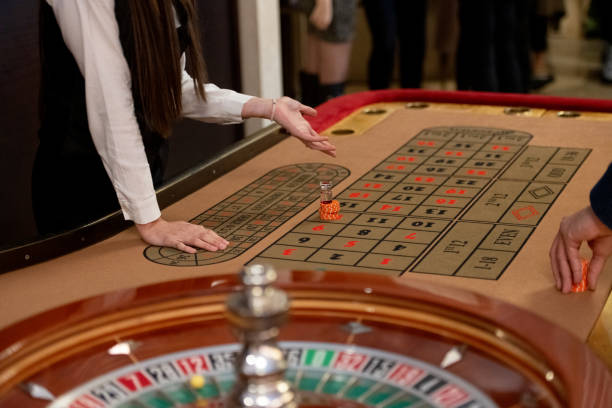
The presence of near misses can also amplify this behavior. When a player is close to winning but ultimately loses, it stimulates a desire to return and try again. This psychological tactic is employed deliberately in game design to maintain player interest and engagement. The feeling of being close to a win, even without achieving it, serves to encourage continued gambling, as players are driven by the hope that the next attempt might yield success, further entrenching them in the gambling cycle. Casinos understand that these near misses can be more motivating than wins, as they spark the belief that a victory is just around the corner.
The role of environment and design in gambling psychology
The ambience of casinos is meticulously crafted to enhance the gambling experience and keep players engaged for longer periods. Factors such as lighting, sound, and layout are all designed with psychological principles in mind. For example, dimmed lighting creates a sense of intimacy and excitement, while bright, flashing lights engage attention and stimulate participation. The sounds of coins clinking or slot machines ringing can create an auditory feedback loop that reinforces the thrill of winning. This sensory stimulation is a significant part of why players are drawn into the gambling environment and can lose track of time.
Additionally, the strategic placement of games and lack of windows or clocks are deliberate choices aimed at disorienting players regarding time and space. This encourages them to lose track of time, often leading to extended play sessions. Casinos are designed to be immersive environments where distractions abound, making it easy for individuals to forget the outside world and become absorbed in the gaming experience. This intentional design not only enhances the gambling experience but also conditions players to associate pleasure and excitement with the casino environment. The more a player is engaged, the less likely they are to notice how long they have been gambling.
Casino marketers understand the psychology of their clientele, using promotional strategies that appeal to specific emotions. Loyalty programs, bonuses, and free play incentives create a sense of value that enhances player engagement. The thrill of chasing rewards and the perceived exclusivity of being a “VIP” can significantly influence gambling behavior. This understanding of psychological principles allows casinos to effectively engage players, creating an environment where the desire to play is continually fostered and reinforced. The marketing strategies employed are designed to make players feel special, valued, and eager to return for more, further deepening their connection to the gambling experience.
Addiction and its psychological implications
The risk of developing a gambling addiction is a critical aspect of the psychology behind casino gambling. For some individuals, the thrill of gambling can evolve from a recreational activity into a compulsive behavior that is difficult to control. Gambling addiction shares similarities with substance abuse disorders, as both involve the brain’s reward pathways and the compulsive pursuit of a desired state, be it excitement or euphoria. The psychological implications can be severe, affecting personal relationships, finances, and mental health. Recognizing the signs of addiction is crucial for early intervention, but many may not realize their behavior has crossed a line.

Those struggling with gambling addiction may experience a range of emotions, including shame, guilt, and anxiety. The cycle of loss can lead to feelings of despair, yet the compulsive need to gamble persists. To combat these feelings, individuals may engage in further gambling in a desperate attempt to recover losses, leading to a downward spiral. The psychological aspect of addiction can create a powerful denial mechanism, where individuals convince themselves that they are still in control, despite evidence to the contrary. Understanding this psychological aspect is essential for developing effective interventions and support systems for those at risk or currently affected by gambling addiction.
Additionally, family and social networks can be significantly impacted by a person’s gambling addiction. Relationships often suffer due to deception, financial strain, and the emotional toll that gambling takes on both the gambler and their loved ones. The ripple effect of an individual’s gambling behavior can lead to isolation and conflict within families. Recognizing the signs of gambling addiction and promoting awareness can aid in early intervention, helping individuals seek the support they need to address their behavior and restore balance to their lives. Community support systems and professional help can be vital in breaking the cycle of addiction.
Informed choices and responsible gambling
Promoting informed choices in gambling is essential for minimizing the psychological risks associated with casino gambling. Education is crucial; individuals should be aware of the odds, understand the nature of the games they are playing, and recognize the risks involved. Providing resources and information about responsible gambling can empower players to make informed decisions, fostering a healthier approach to gambling as a form of entertainment rather than an avenue for financial gain. Knowledge about the true odds can help demystify the gambling experience and reduce the allure of chasing losses.
Many casinos today have implemented responsible gambling initiatives aimed at creating a safer gaming environment. This includes offering self-exclusion programs, where individuals can voluntarily ban themselves from gambling activities for a specified period. Casinos also provide resources for players to learn about gambling addiction signs and available support services. By promoting responsible gaming practices, the industry acknowledges its role in the broader context of player welfare. These initiatives are essential in fostering a culture that prioritizes player safety and awareness.
Ultimately, creating an environment that balances enjoyment with responsibility is crucial. By equipping players with knowledge and providing avenues for support, the gambling experience can be transformed into one that prioritizes entertainment and minimizes the risks associated with addiction. Promoting responsible gambling practices can lead to a healthier relationship with gambling, fostering an environment where players can enjoy the thrill of the game without compromising their well-being. As the industry continues to evolve, a focus on responsibility and education can help mitigate the risks associated with casino gambling.